Author: AK Dental

  • Can Dental Veneers Fix Worn, Short, or Uneven Teeth?

    Can Dental Veneers Fix Worn, Short, or Uneven Teeth?

    A beautiful smile often comes down to harmony and balance. When your teeth appear unusually short, chipped, or uneven, it can affect your confidence and how you interact with others. Many people wonder if cosmetic dentistry can solve these structural issues without requiring extensive surgery or years of orthodontic work.

    Dental veneers have become one of the most popular ways to create a uniform, bright smile. They are thin, custom-made shells designed to cover the front surface of your teeth. But are they the right choice for teeth that have lost their natural shape and length? In this article, we will explore how veneers address structural dental flaws, the benefits they provide, and what you need to know before starting treatment.

    Why Do Teeth Become Worn or Uneven?

    Before looking at solutions, it helps to understand why your teeth might look asymmetrical or unusually short. In some cases, people are simply born with teeth of varying sizes due to genetics. However, environmental factors and daily habits often play a major role in changing the shape of your smile over time.

    Teeth grinding, also known as bruxism, is a very common cause of worn-down teeth. Chronic grinding slowly wears away the protective enamel, leaving teeth looking flat and shortened. Acid erosion from a highly acidic diet or conditions like acid reflux can also dissolve tooth structure. Over time, this erosion thins the teeth, making them more prone to chipping and uneven wear.

    How Veneers Restore Symmetry and Length

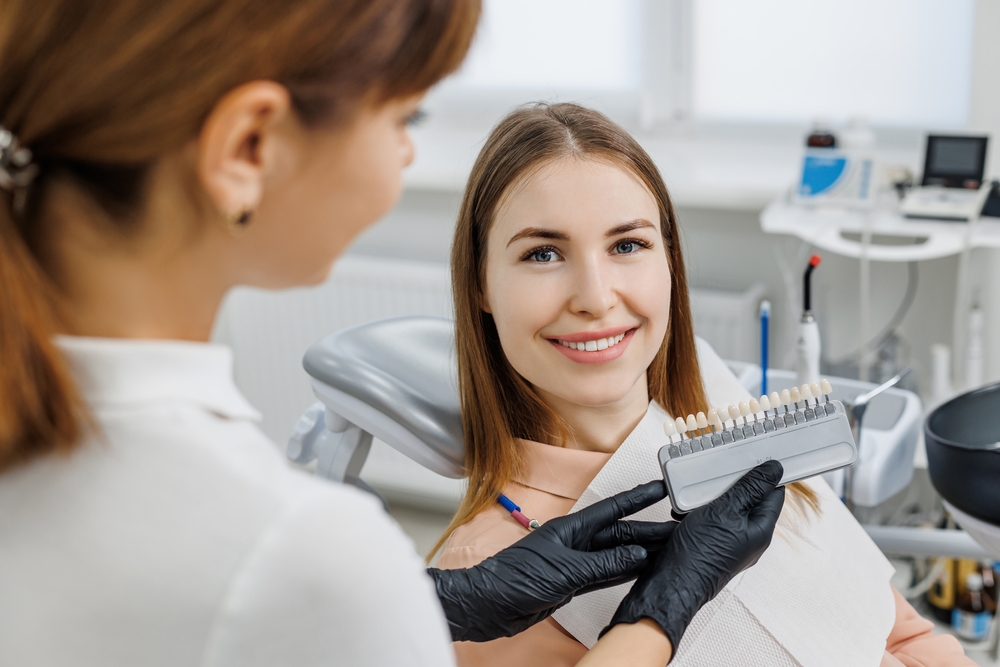
    If you are dealing with a mismatched smile, porcelain veneers offer a highly effective solution. Your dentist carefully designs each veneer to match the ideal size, shape, and color for your face.

    Getting veneers for uneven teeth involves removing a very thin layer of enamel to ensure the new shells fit perfectly and seamlessly. Once bonded to your natural teeth, these shells instantly add length to short teeth and cover up jagged edges. The result is a beautifully aligned smile that looks completely natural.

    The Functional and Cosmetic Benefits

    Veneers are widely known for their cosmetic appeal. They hide deep stains, close minor gaps, and create a perfectly symmetrical appearance. You get to choose the exact shade of white, allowing you to achieve the bright smile you have always wanted.

    However, the benefits extend beyond looks. Worn and damaged teeth often have compromised enamel, which can lead to uncomfortable tooth sensitivity. By covering the front of your teeth, veneers provide an added layer of protection against hot and cold foods. They also restore your natural bite surface, making it easier to chew and speak comfortably.

    The Importance of a Bite Evaluation

    While veneers are incredibly durable, they are not indestructible. This is why a thorough bite evaluation is a crucial step before any cosmetic procedure. If your teeth are worn down due to severe, untreated teeth grinding, placing veneers without addressing the underlying issue could result in the new porcelain shells cracking or popping off.

    A skilled dentist will assess your jaw movement and bite alignment. If bruxism is detected, they may recommend a custom night guard to protect your new veneers while you sleep. Addressing these functional issues ensures your cosmetic investment lasts for many years.

    Alternative Treatments to Consider

    Veneers are a fantastic option, but they are not the only way to fix worn or uneven teeth. Depending on your specific dental health, your dentist might recommend other treatments:

    • Dental Bonding: For minor chips and slight unevenness, composite resin bonding is a quick, cost-effective alternative to veneers.
    • Dental Crowns: If a tooth is severely worn or weakened, a crown may be necessary. Unlike a veneer that only covers the front, a crown encases the entire tooth to provide maximum strength and structural support.
    • Orthodontics: If your teeth appear uneven primarily due to severe misalignment or a bad bite, clear aligners or traditional braces might be the healthiest first step.

    Transform Your Smile in Wasilla, AK

    Living with a smile that makes you feel self-conscious is completely optional. Whether your teeth have worn down over time or you simply want to correct natural unevenness, modern cosmetic dentistry offers customized solutions to help you look and feel your best.

    At Aesthetic Dentistry in Wasilla, AK, our team is dedicated to helping you achieve a healthy, stunning smile. We take the time to evaluate your unique dental needs, discuss your cosmetic goals, and build a treatment plan that works for you. Contact our office today to schedule your consultation and find out if dental veneers are the right choice for your smile.

  • When Is a Dental Crown Necessary Instead of a Filling?

    When Is a Dental Crown Necessary Instead of a Filling?

    Tooth decay or structural damage can catch you entirely off guard. You might bite into a crisp apple or a piece of hard candy and feel a sudden, sharp pain. When you visit the dentist to address the problem, you usually hope for a simple, quick solution. Many times, a standard repair is exactly what you receive. Other times, the damage requires a much more comprehensive approach to keep your mouth healthy.

    If you are experiencing dental discomfort, you might find yourself comparing a dental crown vs. a filling. Both of these treatments successfully repair damaged teeth. However, they serve very different purposes. Knowing which option is appropriate depends on the severity of the tooth damage and your long-term oral health goals. At Aesthetic Dentistry in Wasilla, AK, we want to help you understand your treatment options so you can make confident, informed decisions about your smile.

    Understanding the Basics of Dental Repairs

    To understand why a dentist might recommend one treatment over the other, you first need to know the difference between fillings and crowns in structure and coverage.

    A filling is exactly what it sounds like. When you have a minor cavity, the dentist removes the decayed portion of the tooth. They then fill that small, empty space with a composite material to prevent further decay. The rest of your natural tooth remains completely intact.

    A dental crown provides a completely different level of coverage. Instead of filling a small hole, a crown acts as a custom-fitted cap. It completely encases the entire visible portion of the tooth, right down to the gum line. This full coverage replaces the outer layer of the tooth, offering maximum protection and a brand-new chewing surface.

    When the Damage Is Too Extensive

    Fillings are perfect for minor decay. They do have their limits, though. If a cavity grows too large, a standard filling simply will not work.

    A tooth needs a certain amount of healthy enamel to securely hold a filling in place. When a cavity destroys more than half of the natural tooth, packing the space with filling material leaves the remaining tooth structure weak and highly prone to cracking. Situations where damage is too extensive for a filling also include severe fractures, deep cracks, or teeth that have recently undergone root canal therapy. In these cases, a crown becomes an absolute medical necessity to save the tooth from extraction.

    Restoring Strength and Protecting Weakened Teeth

    When a tooth loses a significant amount of its original structure, it loses its ability to handle the daily pressure of chewing. Every time you bite down, a severely weakened tooth risks breaking apart completely.

    This is exactly how crowns restore strength and protect weakened teeth. Because the crown covers the entire top of the tooth, it holds the remaining natural tooth structure firmly together. It acts much like a protective helmet. When you chew your food, the durable crown absorbs and distributes the biting force evenly. This prevents localized pressure from splitting the fragile natural tooth underneath.

    Modern Materials and Custom Designs

    In the past, getting a dental cap often meant having a highly visible metal spot in your mouth. Today, the materials used in modern crowns offer incredible strength alongside beautiful aesthetics.

    Dentists frequently use tooth-colored porcelain or high-grade ceramic to create custom crowns. These materials mimic the natural translucency of real tooth enamel. Your dentist will color-match the ceramic so it blends seamlessly with the rest of your smile. For teeth located at the very back of the mouth that handle the heaviest chewing forces, dentists might still recommend stronger options like gold alloys or porcelain-fused-to-metal crowns.

    Long-Term Durability Considerations

    When investing in your dental health, you want results that last. Long-term durability considerations play a massive role in the dental crown vs filling debate.

    A large filling placed in a heavily damaged tooth is a temporary fix at best. The constant stress of chewing will eventually cause a large filling to chip, crack, or fall out completely. Dental crowns are specifically engineered to withstand heavy daily use. With proper brushing, daily flossing, and regular dental checkups, a high-quality crown can easily last 10 to 15 years, and often much longer. This durability makes crowns a highly cost-effective and reliable solution for severe tooth damage.

    Protect Your Smile in Wasilla Today

    Ignoring tooth pain or delaying a necessary repair usually leads to more complicated dental issues down the road. Addressing decay early gives you the best chance of saving your natural tooth and preserving your oral health.

    If you have a damaged tooth and need expert advice on the best treatment path, the team at Aesthetic Dentistry is here to help. Contact our office in Wasilla, AK, to schedule a comprehensive evaluation. We will thoroughly examine your teeth, discuss your options, and help you achieve a strong, healthy smile.

  • What Is a Dental Implant Crown, and How Is It Different From a Regular Crown?

    What Is a Dental Implant Crown, and How Is It Different From a Regular Crown?

    Losing a tooth or dealing with severe dental decay can make everyday activities like eating and speaking uncomfortable. When you visit a dentist to fix the problem, you might hear a few different treatment options. Two of the most common solutions are regular crowns and implant-supported crowns. While they might look similar once placed in your mouth, they serve entirely different purposes beneath the gum line.

    If you are trying to understand your options, knowing how a dental implant crown functions is a great starting point. At Aesthetic Dentistry in Wasilla, AK, we want to help our patients make informed decisions about their oral health. Here is a breakdown of how these two dental restorations work and which one might be the right fit for your smile.

    The Anatomy of a Dental Implant Crown

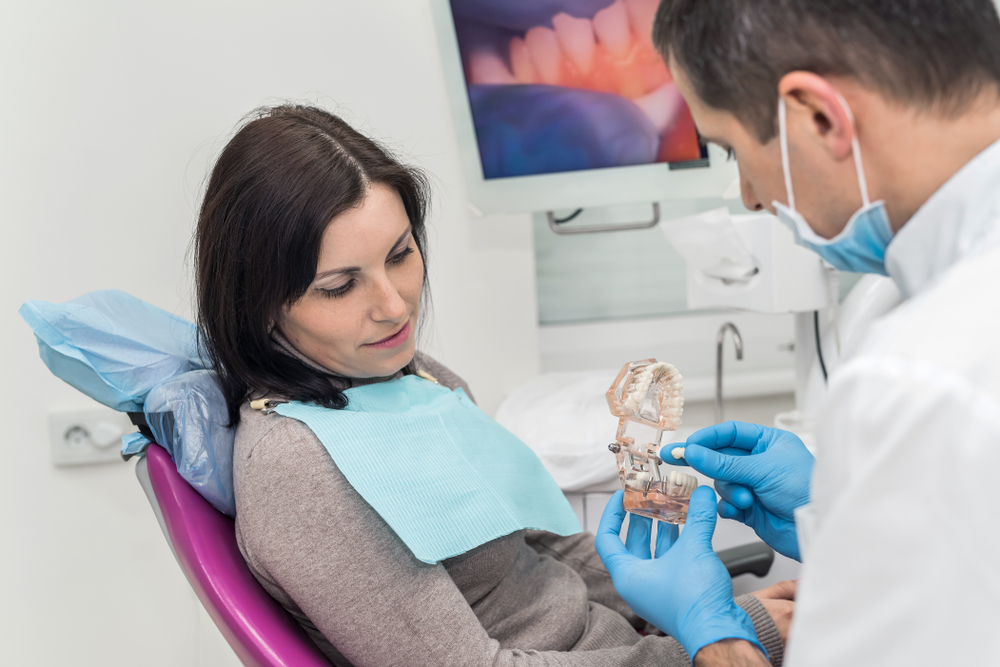
    To understand how a dental implant crown works, you first need to look at its structure. Unlike a standard dental restoration that sits on top of an existing tooth, an implant system replaces the entire tooth from the root up. It consists of three distinct parts:

    The Implant Post

    This is a small, screw-like titanium post that an oral surgeon or dentist places directly into your jawbone. It acts as an artificial tooth root. Over time, the jawbone heals around this titanium post in a process called osseointegration, creating a rock-solid foundation.

    The Abutment

    Once the post has fully fused with the jawbone, a small connector piece called an abutment is attached to the top of it. The abutment serves as the physical link between the metal post beneath the gums and the visible tooth above.

    The Crown

    The crown is the custom-made, natural-looking artificial tooth that attaches to the abutment. It is carefully crafted to match the color, shape, and size of your surrounding teeth, ensuring your smile looks completely natural.

    Tooth-Supported vs. Implant-Supported Crowns

    The biggest difference between a regular crown and a dental implant crown comes down to what supports the restoration.

    A regular crown, often called a tooth-supported crown, requires a natural tooth root to stay in place. Dentists use this option when a tooth is damaged, cracked, or severely decayed, but the root remains healthy. The dentist shapes the remaining natural tooth structure, removing the damaged areas, and then cements a custom-made cap (the crown) directly over it.

    An implant-supported crown is used when the entire tooth—including the root—is missing or needs to be completely extracted. Because there is no natural tooth left to hold a cap, the titanium implant post steps in to provide that necessary anchor.

    When Dentists Recommend an Implant Crown

    Your dentist will typically recommend a dental implant crown if you have a gap in your smile from a missing tooth. Leaving a gap can cause surrounding teeth to shift out of place, leading to bite issues and further complications.

    You might also be a candidate if you have a tooth that is too badly damaged or decayed to save with a root canal and a regular crown. In these cases, extracting the failing tooth and replacing it with an implant system is often the most effective way to restore the function and appearance of your mouth.

    The Placement Process Step-by-Step

    Getting an implant is a multi-step process that requires patience, but the results are highly rewarding.

    First, you will have a comprehensive consultation at Aesthetic Dentistry to evaluate your jawbone density and overall oral health. If you are a good candidate, the next step is the surgical placement of the titanium post into your jawbone.

    After the post is placed, you will enter a healing period that usually lasts a few months. This gives the bone time to grow tightly around the metal post. Once healing is complete, you will return to the office so the dentist can attach the abutment. Finally, we take impressions of your mouth to create your custom dental implant crown, which is securely fastened to the abutment to complete your new smile.

    Long-Term Benefits: Stability and Longevity

    One of the primary reasons patients choose implants is their incredible durability. Because the titanium post fuses with your jawbone, a dental implant crown offers unmatched stability. You can bite, chew, and speak normally without worrying about the restoration slipping or clicking.

    Additionally, the metal post stimulates the jawbone just like a natural tooth root would, preventing the bone loss that often occurs when teeth are missing. With proper oral hygiene and regular dental checkups, the implant post can last a lifetime, while the high-quality crown attached to it can last for decades before needing replacement.

    Restore Your Smile in Wasilla

    Dealing with a missing or damaged tooth can be stressful, but modern dentistry offers reliable solutions to get your oral health back on track. Whether you need a simple protective cap for a damaged tooth or a complete replacement from the root up, understanding your options is the first step toward a healthier mouth.

    If you are ready to explore your tooth replacement options, the team at Aesthetic Dentistry in Wasilla, AK, is here to guide you. Contact our office today to schedule a consultation and find out if an implant restoration is the right choice for you.

  • How Sedation Dentistry Can Ease Dental Anxiety in Both Kids and Adults

    How Sedation Dentistry Can Ease Dental Anxiety in Both Kids and Adults

    Millions of people delay or cancel their dental appointments every year due to fear. A trip to the dentist can trigger nervous feelings, sweating, and severe distress. This reaction happens to patients of all ages, from young children to older adults.

    Avoiding the dentist often leads to worse oral health issues down the road. Small cavities turn into large infections, and minor plaque buildup leads to severe gum disease. Fortunately, you do not have to endure stressful visits anymore. Utilizing sedation dentistry for dental anxiety provides a safe, comfortable, and relaxing way to receive the care you need.

    At Aesthetic Dentistry in Wasilla, AK, we understand that fear is a powerful barrier. We offer compassionate care and modern sedation techniques to help every patient feel at ease the moment they walk through our doors.

    Understanding the Root of Dental Anxiety

    Fear of the dentist rarely happens without a reason. Identifying the cause of these nervous feelings is the first step toward a more comfortable experience. The triggers often look different depending on a patient’s age.

    Why Kids Fear the Dentist

    Children rely heavily on routine and familiar surroundings to feel safe. A dental office introduces them to bright lights, strange noises, and unfamiliar faces. This overwhelming sensory experience easily triggers anxiety. Furthermore, kids often have a profound fear of pain. If they have heard negative stories about the dentist from peers or family members, they might expect the visit to hurt.

    What Causes Dental Phobia in Adults?

    Adults experience dental fear for entirely different reasons. Many grown patients carry the weight of past dental trauma. A negative or painful experience during childhood can leave a lasting mental scar that makes returning to a dental chair incredibly difficult. Others develop a specific phobia of needles, the sound of the drill, or the feeling of losing control while sitting in the examination chair.

    Types of Sedation Used to Calm Your Nerves

    Modern dentistry provides several reliable methods to keep patients completely relaxed. Our team will review your medical history and the severity of your fear to recommend the best option.

    Nitrous Oxide

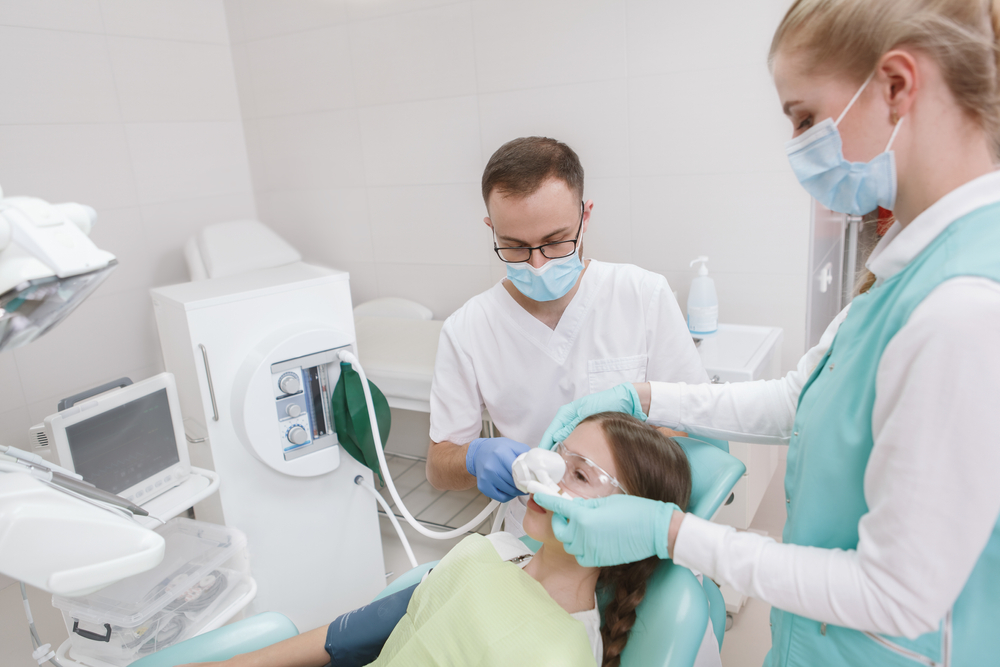
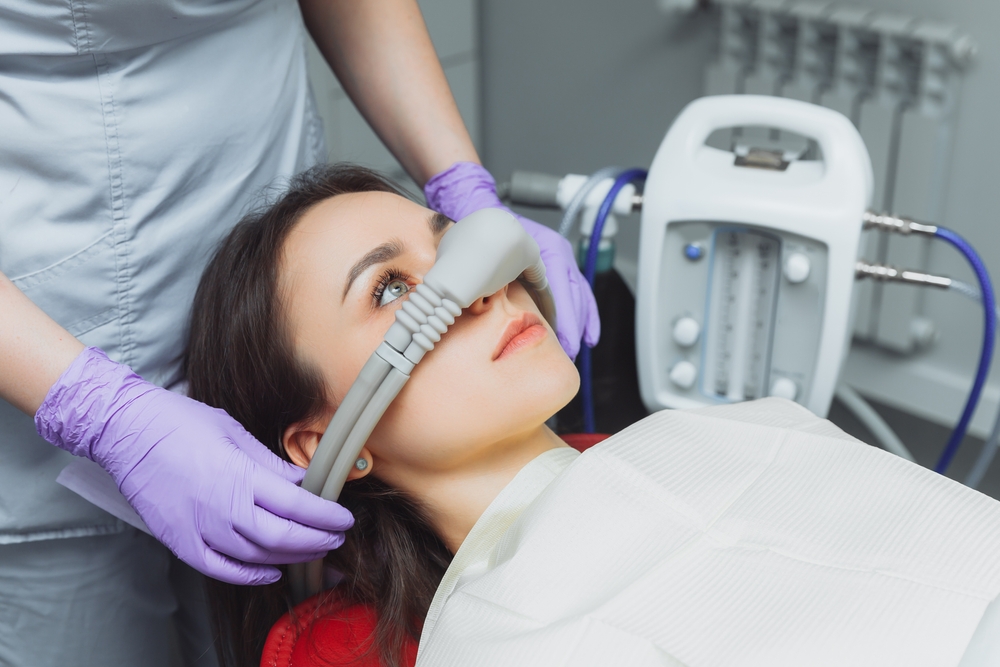
    Commonly known as laughing gas, nitrous oxide is a mild sedative mixed with oxygen. You breathe it in through a small mask placed over your nose. Within minutes, a warm and calming sensation takes over. You remain fully awake and can communicate with the dentist, but your anxiety fades away. Once the mask is removed, the effects wear off almost immediately. This makes it an excellent, gentle choice for both young children and busy adults.

    Oral Sedation

    If you need a stronger level of relaxation, oral sedation is highly effective. The dentist prescribes a calming medication in pill form, which you take shortly before your appointment. By the time you sit in the chair, you will feel deeply relaxed and drowsy. Many patients even fall asleep during their procedure and remember very little about the visit afterward. You will need a trusted friend or family member to drive you home following your appointment.

    IV Sedation

    Intravenous (IV) sedation delivers calming medication directly into your bloodstream. This method provides the deepest level of conscious sedation and works incredibly fast. The dentist can easily adjust the level of medication throughout the procedure to ensure you remain perfectly comfortable. IV sedation is generally recommended for patients with severe phobias or those undergoing extensive dental work.

    The Real Benefits of Sedation for Your Smile

    Choosing to use sedation during your visit completely transforms the way you experience dental care. It offers several tangible benefits for your physical and mental well-being.

    First, it provides excellent pain control. Because your body is relaxed, your pain threshold naturally increases. You will not tense up your muscles, which makes the entire process smoother and completely pain-free.

    Second, sedation allows for faster procedures. When a patient is calm and still, the dentist can work much more efficiently. In many cases, our team can complete multiple treatments in a single visit, saving you the hassle of scheduling several separate appointments.

    Finally, it guarantees drastically reduced stress. You can maintain your oral health without dreading the days leading up to your appointment. Building positive, painless experiences helps rewrite your relationship with the dentist.

    Reclaim Your Oral Health in Wasilla, AK

    Fear should never stand between you and a healthy, beautiful smile. Our compassionate team at Aesthetic Dentistry in Wasilla, AK, is dedicated to making your visits as peaceful as possible. We will listen to your concerns, answer your questions, and tailor a sedation plan that fits your exact needs.

    Take the first step toward stress-free dental care today. Contact Aesthetic Dentistry to schedule a consultation and discover how comfortable your next visit can truly be.

  • What’s the Difference Between Oral Sedation and Nitrous Oxide at the Dentist?

    What’s the Difference Between Oral Sedation and Nitrous Oxide at the Dentist?

    Dental anxiety is incredibly common. Many people delay necessary treatments because the thought of sitting in the dentist’s chair makes them nervous. Fortunately, modern dentistry offers safe and effective ways to help you relax.

    At Aesthetic Dentistry in Wasilla, AK, we want your visit to be as comfortable as possible. Two of the most popular options we provide to help patients relax are oral sedation and nitrous oxide. Understanding how these methods work can help you make an informed decision for your next appointment.

    What is Nitrous Oxide?

    Nitrous oxide is an extremely common, safe, and effective sedation method used in dental offices worldwide.

    How it Works

    Also known as laughing gas, nitrous oxide is a mild sedative mixed with oxygen. You breathe it in through a small, comfortable mask placed over your nose during your procedure. It helps you feel calm, happy, and relaxed while remaining fully awake and responsive. You will still be able to hear your dentist and follow simple instructions.

    Onset and Duration

    The effects of nitrous oxide start almost immediately. Within three to five minutes of breathing the gas, you will feel a wave of relaxation. Sometimes people experience a light, pleasant tingling sensation in their arms or legs. Once the dental procedure is complete, the dentist removes the mask and has you breathe pure oxygen for a few minutes. The effects wear off just as quickly as they started. You will be completely clear-headed within minutes, allowing you to safely drive yourself home or go back to work.

    What is Oral Sedation?

    Oral sedation offers a deeper level of relaxation for patients who experience higher levels of fear or need extensive dental work.

    How it Works

    Oral sedation involves taking a prescribed medication, usually a pill, before your dental appointment. This medication typically belongs to a class of drugs called benzodiazepines. These medications decrease anxiety and promote a profound sense of calm. While you will technically still be awake and able to respond to the dentist, you will feel very drowsy. Many patients become so relaxed that they fall asleep during their procedure. You will likely have little to no memory of the treatment afterward.

    Onset and Duration

    Because you take the medication orally, it takes longer to kick in. Usually, your dentist will instruct you to take the pill about an hour before your scheduled appointment. The sedative effects are long-lasting and will persist for several hours after your procedure is finished. Because you will remain drowsy and your coordination will be affected, you must have a trusted friend or family member drive you to and from the dental office.

    Oral Sedation vs Nitrous Oxide: Which Do You Need?

    Choosing between oral sedation vs nitrous oxide depends entirely on your specific level of anxiety, your medical history, and the type of dental work you are receiving.

    Nitrous oxide is highly recommended for patients with mild to moderate anxiety. It is an excellent choice for routine cleanings, minor fillings, or for children who have trouble sitting still. It is also the best option if you have a busy schedule and need to resume your normal daily activities immediately after your appointment.

    Oral sedation is better suited for patients with severe dental fear or a sensitive gag reflex. It is highly effective if you are undergoing a complex or lengthy procedure, such as multiple extractions, root canals, or extensive cosmetic dentistry. The deep relaxation allows the dentist to complete more work in a single visit while you rest comfortably in the chair.

    Frequently Asked Questions About Dental Sedation

    Is dental sedation safe?

    Yes. Both methods are highly regulated and incredibly safe. Before recommending any form of sedation, your dentist will carefully review your complete medical history, including any current medications, to ensure you are a healthy candidate. During the procedure, your vital signs are closely monitored by the dental team.

    Will I still need local anesthesia?

    Yes. Sedation is designed to relax your mind and ease your anxiety, but it does not completely numb the teeth and gums. Your dentist will still use local anesthesia to ensure you do not feel any pain during the actual dental work. However, the sedation will make the numbing process much easier to tolerate.

    Can children receive sedation?

    Nitrous oxide is very safe for children and is frequently used in pediatric dentistry. It helps anxious kids relax and sit still, allowing the dentist to perform necessary treatments safely. Oral sedation can also be used for children in certain situations, but the dosage is strictly calculated based on the child’s age and weight.

    Overcome Dental Anxiety in Wasilla, AK

    You deserve a healthy, beautiful smile without the stress and fear. At Aesthetic Dentistry in Wasilla, AK, our team is dedicated to providing a comfortable, pain-free experience tailored to your specific needs. If you are nervous about an upcoming treatment, let us know. We can discuss your health history and preferences to find the perfect sedation option for you. Contact us today to schedule a consultation and take the first step toward a truly relaxing dental visit.

  • How to Know If You’re the Right Candidate for Sedation Dentistry

    How to Know If You’re the Right Candidate for Sedation Dentistry

    Going to the dentist can be a nerve-wracking experience. Many people put off essential treatments because the thought of sitting in the dental chair brings up intense feelings of fear or discomfort. Delaying care often leads to worse oral health problems down the road, creating a frustrating cycle of avoidance and pain.

    Fortunately, sedation dentistry offers a pathway to a relaxed, comfortable experience. If you live near Wasilla, AK, the compassionate team at Aesthetic Dentistry can help you get the care you need without the stress. But how do you know if this approach is a safe and effective choice for you? Determining your sedation dentistry eligibility involves looking at your anxiety levels, physical reflexes, and overall medical background.

    What Makes You an Ideal Candidate?

    Sedation is incredibly versatile, helping a wide variety of patients achieve better oral health. You might be a great fit for these calming techniques if you relate to any of the following situations.

    Severe Dental Anxiety

    Fear is the most common reason patients avoid the dentist. If you experience sweaty palms, racing thoughts, or panic attacks before an appointment, you are certainly not alone. Sedation safely depresses the central nervous system, helping melt away fear so you can receive care in a state of total tranquility.

    A Strong Gag Reflex

    A sensitive gag reflex can make even routine cleanings or X-rays feel unbearable. This physical response is difficult to control and can make the dentist’s job much harder. Sedation relaxes your throat muscles, minimizing the gag reflex and allowing your dental team to work efficiently while you remain entirely comfortable.

    Complex or Lengthy Procedures

    If you need extensive restorative work, such as multiple crowns, root canals, or extractions, sitting still for hours can be physically and mentally exhausting. Sedation allows your dentist to complete multiple treatments in a single visit. For the patient, a procedure that takes hours often feels like it only lasted a few minutes.

    Important Medical Considerations

    While dental sedation is highly safe, it is not a universal solution for everyone. Your overall physical health plays a major role in determining your sedation dentistry eligibility. Before any treatment, your dental team will need to thoroughly review your medical background to ensure your safety.

    You should be prepared to discuss your complete health history. Conditions like obstructive sleep apnea, respiratory issues, heart disease, or obesity can influence how your body reacts to sedative medications. Additionally, you will need to provide a comprehensive list of all current medications, including prescription drugs, over-the-counter pain relievers, and herbal supplements. This helps your dentist prevent any unwanted drug interactions. Finally, clearly disclosing any known allergies guarantees that the medications used during your procedure are completely safe for your body.

    The Essential Dentist Consultation

    You cannot undergo sedation without a proper pre-procedure evaluation. This consultation is a collaborative conversation between you and your dentist to build a customized, safe treatment plan.

    During this visit, your dentist will evaluate your immediate oral health needs, review the medical considerations mentioned above, and explain the different types of sedation available to you. Depending on your situation, they might recommend mild nitrous oxide (laughing gas) to take the edge off slight nervousness, oral conscious sedation (a prescribed pill) for moderate fear, or IV sedation for more intensive needs. This vital step guarantees that the chosen method aligns perfectly with your physical health and your personal comfort goals. We also take the time to discuss any potential side effects or complications of each option, ensuring you are fully informed and prepared for your treatment.

    Ready for a Stress-Free Dental Visit?

    You deserve a healthy smile without the heavy burden of fear or physical discomfort. Sedation has completely transformed the way thousands of patients experience dental care, turning feelings of dread into profound relief. If you have been avoiding the dental chair, taking the first step toward a healthier mouth is much easier than you might think.

    Reach out to Aesthetic Dentistry in Wasilla, AK, to schedule your initial consultation. Our experienced team will answer all your questions, evaluate your specific needs, and help you determine the safest, most effective way to achieve your dental goals.

  • What’s the Difference Between Snoring and Sleep Apnea — and When to See a Dentist

    What’s the Difference Between Snoring and Sleep Apnea — and When to See a Dentist

    Not all snoring is the same. While occasional snoring might be harmless, persistent or loud snoring could signal a more serious condition: sleep apnea. Understanding the difference between snoring vs sleep apnea can help you protect your health—and knowing when to see a dentist might surprise you.

    What Is Snoring?

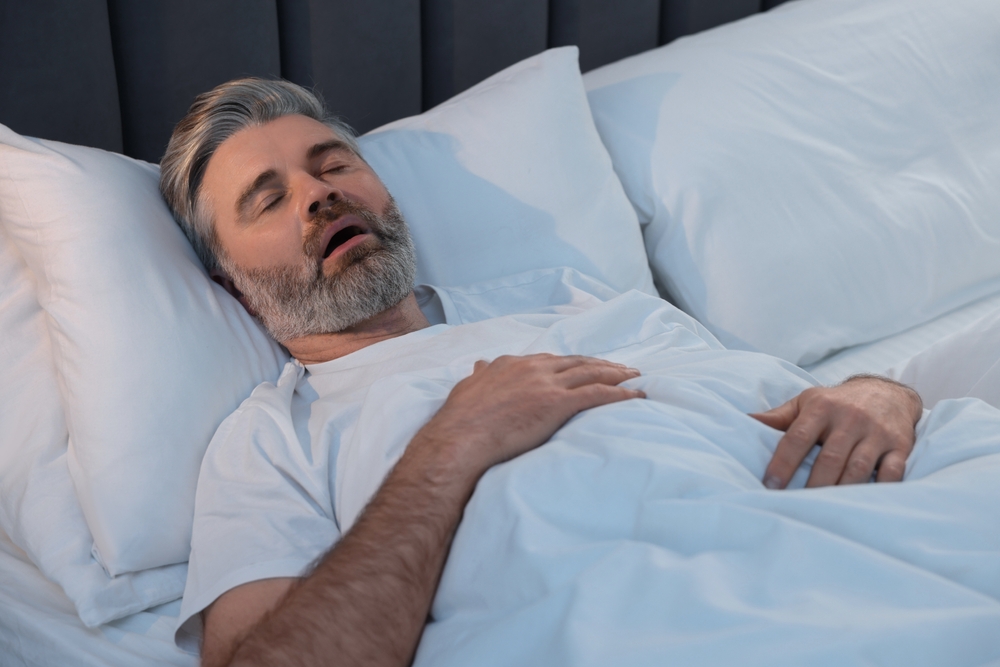
    Snoring occurs when the flow of air through your mouth and nose is partially obstructed during sleep. This causes the surrounding tissues to vibrate, producing that familiar rattling sound. Common causes include nasal congestion, sleeping position, alcohol consumption, or anatomical factors like a thick soft palate.

    For most people, snoring is a minor nuisance. It may disrupt your partner’s sleep more than your own. However, chronic snoring can indicate an underlying issue worth investigating.

    What Is Sleep Apnea?

    Sleep apnea is a sleep disorder characterized by repeated interruptions in breathing throughout the night. The most common type, obstructive sleep apnea (OSA), happens when the airway becomes blocked—usually by the collapse of soft tissue in the throat.

    These pauses in breathing can last several seconds and occur dozens or even hundreds of times per night. Each interruption reduces oxygen levels in the blood, forcing the brain to wake you briefly to restart breathing. Most people don’t remember these awakenings, but they prevent restful sleep and put significant strain on the body.

    Key Differences Between Snoring and Sleep Apnea

    While snoring and sleep apnea may sound similar, they differ in cause, severity, and health impact.

    Snoring is caused by the vibration of relaxed throat tissues. It’s generally continuous and doesn’t involve breathing interruptions. Health risks are minimal unless snoring becomes chronic or very loud.

    Sleep apnea, on the other hand, involves actual airway blockage. Breathing stops and starts repeatedly, leading to fragmented sleep and low oxygen levels. Left untreated, sleep apnea is linked to serious health complications, including high blood pressure, heart disease, stroke, diabetes, and depression.

    Other warning signs of sleep apnea include waking up gasping for air, morning headaches, excessive daytime fatigue, difficulty concentrating, and irritability.

    Health Risks of Untreated Sleep Apnea

    Sleep apnea affects more than just your sleep quality. The repeated drops in oxygen and constant arousal from sleep put stress on your cardiovascular system. Over time, this increases the risk of:

    • High blood pressure
    • Heart attack
    • Stroke
    • Irregular heartbeat (arrhythmia)
    • Type 2 diabetes

    Sleep apnea also takes a toll on oral health. Mouth breathing, often associated with OSA, can lead to dry mouth, which increases the risk of tooth decay and gum disease. Chronic teeth grinding (bruxism) is another common side effect, causing worn enamel and jaw pain.

    When to See a Dentist About Snoring or Sleep Apnea

    You might not realize that your dentist can play a critical role in identifying and managing sleep apnea. During routine exams, dentists are trained to look for signs such as a scalloped tongue, worn teeth from grinding, or a narrow airway.

    If your dentist suspects sleep apnea, they can refer you to a sleep specialist for a proper diagnosis, usually through a sleep study. Once diagnosed, your dentist may be able to provide treatment through a custom oral appliance.

    Oral appliances work by repositioning the lower jaw and tongue to keep the airway open during sleep. They’re particularly effective for patients with mild to moderate obstructive sleep apnea or those who can’t tolerate CPAP (continuous positive airway pressure) therapy.

    At Aesthetic Dentistry in Wasilla, AK, we offer comprehensive screenings and can connect you with the right resources if sleep apnea is a concern.

    Protect Your Sleep and Your Health

    The difference between snoring vs sleep apnea is more than just a matter of noise. Sleep apnea is a medical condition that requires attention and treatment. If you’re unsure whether your snoring is harmless or a red flag, your dentist can help you find answers.

    At Aesthetic Dentistry in Wasilla, AK, we’re committed to supporting your overall health—including the quality of your sleep. Reach out today to schedule a consultation and take the first step toward better rest and better health.

  • How Oral Appliances Can Help Treat Mild to Moderate Sleep Apnea

    How Oral Appliances Can Help Treat Mild to Moderate Sleep Apnea

    Sleep apnea affects millions of Americans, disrupting rest and putting long-term health at risk. If you’ve been diagnosed with mild to moderate sleep apnea, you’ve likely heard about CPAP machines, but they’re not your only option. Oral appliances for sleep apnea offer a comfortable, convenient alternative that many patients find easier to use and maintain.

    At Aesthetic Dentistry in Wasilla, AK, we help patients explore effective solutions for sleep apnea that fit their lifestyle. Here’s what you need to know about how oral appliances work, their benefits, and what to expect when choosing this treatment.

    What Are Oral Appliances for Sleep Apnea?

    Oral appliances are custom-fitted devices worn during sleep to treat obstructive sleep apnea (OSA). Unlike bulky CPAP machines, these appliances resemble mouthguards or retainers. They’re designed to reposition your jaw and tongue, keeping your airway open throughout the night.

    The American Academy of Dental Sleep Medicine (AADSM) recognizes oral appliance therapy as an effective first-line treatment for patients with mild to moderate sleep apnea, as well as those who cannot tolerate CPAP therapy.

    How Do Oral Appliances Work?

    Obstructive sleep apnea occurs when the muscles in your throat relax too much during sleep, causing your airway to collapse or become blocked. This leads to repeated pauses in breathing, which can happen dozens or even hundreds of times per night.

    Oral appliances address this problem by gently repositioning your lower jaw forward. This small adjustment prevents the tongue and soft tissues from blocking the airway, allowing you to breathe freely and sleep soundly.

    Some devices also hold the tongue in place to further reduce airway obstruction. Our dentist will determine which type of appliance is best suited to your specific needs.

    Advantages of Oral Appliances

    Non-Invasive Treatment

    Unlike surgery or invasive procedures, oral appliances offer a straightforward, non-invasive way to manage sleep apnea. There are no incisions, no recovery time, and no hospital stays, just a simple custom device you wear at night.

    Portable and Convenient

    CPAP machines require electricity, tubing, and a fair amount of space. Oral appliances, on the other hand, fit easily into a small case. They’re perfect for travel, whether you’re camping in Denali or flying across the country for business.

    Easier to Use Than CPAP

    Many patients find CPAP therapy uncomfortable or claustrophobic. The masks can feel restrictive, and the noise from the machine can disrupt both you and your partner. Oral appliances eliminate these issues entirely. They’re quiet, discreet, and much easier to adapt to for most patients.

    Improves Sleep Quality

    By keeping your airway open, oral appliances reduce snoring and prevent the dangerous breathing interruptions associated with sleep apnea. You’ll wake up feeling more rested, alert, and ready to take on the day.

    Long-Term Health Benefits

    Treating sleep apnea isn’t just about better sleep; it’s about protecting your overall health. Untreated sleep apnea has been linked to high blood pressure, heart disease, stroke, and diabetes. Oral appliances help reduce these risks by ensuring consistent, quality sleep.

    Who Is a Good Candidate?

    Oral appliances work best for patients with mild to moderate obstructive sleep apnea. They’re also an excellent option if you:

    • Cannot tolerate CPAP therapy
    • Prefer a less invasive treatment
    • Have no significant nasal obstructions
    • Are committed to regular follow-up care

    Our dentist will work closely with your physician to determine if oral appliance therapy is right for you. A thorough evaluation, including a sleep study, helps ensure the most effective treatment plan.

    Getting Fitted for Your Oral Appliance

    The process begins with a consultation at Aesthetic Dentistry. Your dentist will take precise impressions of your teeth to create a custom-fitted appliance that’s comfortable and effective.

    Once your device is ready, you’ll return for a fitting. Our dentist will adjust the appliance to ensure proper jaw positioning and a secure, comfortable fit. You may need a few follow-up visits to fine-tune the device as you adjust to wearing it.

    Maintenance and Care

    Taking care of your oral appliance is simple. Clean it daily using a soft toothbrush and mild soap or a denture cleaner. Avoid hot water, as it can warp the material. Store the appliance in its protective case when not in use to keep it safe from damage.

    Regular follow-up visits are essential. Our dentist will monitor your progress, check the fit of your appliance, and make any necessary adjustments. Most patients benefit from annual check-ups, though our dentist may recommend more frequent visits depending on your needs.

    Over time, wear and tear may require replacing your appliance. With proper care, most devices last several years before needing replacement.

    A Better Night’s Sleep Starts Here

    Sleep apnea doesn’t have to control your life. Oral appliances offer a proven, patient-friendly solution that helps you breathe easier and sleep better. If you’re struggling with mild to moderate sleep apnea or finding CPAP therapy difficult to manage, an oral appliance might be the answer.

    At Aesthetic Dentistry in Wasilla, AK, we’re committed to helping you achieve restful, restorative sleep. Schedule a consultation today to learn more about oral appliances for sleep apnea and take the first step toward healthier, happier nights.

  • What Are the First Signs of Sleep Apnea That Your Dentist Might Notice?

    What Are the First Signs of Sleep Apnea That Your Dentist Might Notice?

    You probably don’t associate your dentist with sleep health. But during your routine checkup, your dentist may spot warning signs of sleep apnea before you even realize something’s wrong.

    Sleep apnea is a serious condition where breathing repeatedly stops and starts during sleep. Left untreated, it can lead to high blood pressure, heart disease, and chronic fatigue. The good news? Your dental team at Aesthetic Dentistry in Wasilla, AK, is trained to recognize the early dental signs of sleep apnea, and catching them early can make all the difference.

    How Your Mouth Reveals Sleep Troubles

    Your oral health offers more clues about your overall wellness than you might think. Sleep apnea often leaves telltale signs in your mouth, and your dentist is uniquely positioned to spot them.

    Teeth Grinding (Bruxism)

    Waking up with a sore jaw or noticing your teeth look worn down? Grinding your teeth at night is a common response to airway obstruction. When your body struggles to breathe, it may clench or grind to reposition the jaw and open the airway. Over time, this can cause:

    • Flattened or chipped teeth
    • Increased tooth sensitivity
    • Jaw pain or temporomandibular joint (TMJ) disorders

    Your dentist will examine your teeth for unusual wear patterns that suggest nighttime grinding—a red flag for possible sleep apnea.

    Scalloped Tongue

    Take a look at your tongue in the mirror. If the edges appear wavy or indented, you may have what’s called a scalloped tongue. This happens when your tongue presses against your teeth, often because it’s too large for your mouth or your airway is restricted.

    A scalloped tongue can indicate that your airway is compromised during sleep, forcing your tongue into awkward positions as your body tries to maintain airflow.

    Dry Mouth

    Chronic dry mouth isn’t just uncomfortable; it can signal that you’re breathing through your mouth at night instead of your nose. Mouth breathing is a common compensatory behavior for people with sleep apnea, especially when nasal passages are blocked or the airway is obstructed.

    Dry mouth increases your risk of cavities, gum disease, and bad breath. If your dentist notices persistent dryness despite good hydration, they may ask questions about your sleep quality.

    What You Tell Your Dentist Matters

    Your dentist doesn’t just look at your teeth—they listen to you. The conversation during your exam can reveal patterns that point toward sleep apnea.

    Chronic Fatigue

    Do you feel exhausted even after a full night’s sleep? Constant tiredness is one of the most common complaints among people with undiagnosed sleep apnea. When your breathing is interrupted throughout the night, your body never reaches the deep, restorative stages of sleep.

    Morning Headaches

    Frequent headaches upon waking can result from low oxygen levels caused by disrupted breathing. If you mention persistent morning headaches to your dentist, they may consider sleep apnea as a possible cause.

    Choking or Gasping at Night

    Have you ever woken up suddenly, feeling like you couldn’t breathe? Or has a partner mentioned that you snore loudly or stop breathing during sleep? These are major warning signs. Even if you don’t remember these episodes, sharing this information with your dental team can prompt further evaluation.

    Tools Your Dentist Uses to Assess Sleep Apnea Risk

    Modern dentistry goes beyond checking for cavities. At Aesthetic Dentistry, we use advanced tools to assess your oral health and identify potential sleep disorders.

    Intraoral Cameras

    These small, high-resolution cameras allow your dentist to capture detailed images of your mouth, throat, and tongue. By examining the size and position of your soft tissues, your dentist can assess whether your airway might be restricted during sleep.

    Airway Assessments

    A comprehensive airway assessment evaluates the structure of your mouth, jaw, and throat. Your dentist may measure the opening of your airway, check for enlarged tonsils, or evaluate your tongue position. These findings help determine whether you’re at risk for obstructive sleep apnea.

    Collaboration with Sleep Specialists

    If your dentist suspects sleep apnea, they’ll likely refer you to a sleep specialist for a formal diagnosis. Dental sleep medicine research journals highlight the growing role dentists play in screening for sleep disorders and collaborating with physicians to provide effective treatment.

    Why Early Detection Matters

    Identifying the early dental signs of sleep apnea can prevent serious health complications down the road. Untreated sleep apnea doesn’t just affect your energy levels; it increases your risk of:

    • Cardiovascular disease
    • Stroke
    • Type 2 diabetes
    • Depression and anxiety

    By recognizing the warning signs during a routine dental exam, you have the opportunity to seek treatment before these conditions develop.

    What Happens After a Sleep Apnea Diagnosis?

    If you’re diagnosed with sleep apnea, treatment options vary depending on the severity of your condition. Your dentist may recommend:

    • Oral Appliances: Custom-fitted devices that reposition your jaw and tongue to keep your airway open during sleep.
    • CPAP Therapy: A continuous positive airway pressure machine that delivers a steady stream of air to prevent airway collapse.
    • Lifestyle Changes: Weight loss, positional therapy, and avoiding alcohol before bed can reduce symptoms.

    For many patients, oral appliances offer a comfortable and effective alternative to CPAP machines, especially for mild to moderate sleep apnea.

    Your Dentist Is Your First Line of Defense

    Your dentist sees you more frequently than most other healthcare providers, making them an essential partner in your overall health. By staying alert to the early dental signs of sleep apnea, your dental team can help you get the care you need before your condition worsens.

    If you’ve been experiencing symptoms like teeth grinding, chronic fatigue, or morning headaches, don’t brush them off. Schedule an appointment with Aesthetic Dentistry in Wasilla, AK, to discuss your concerns. A simple conversation during your next checkup could be the first step toward better sleep and better health.

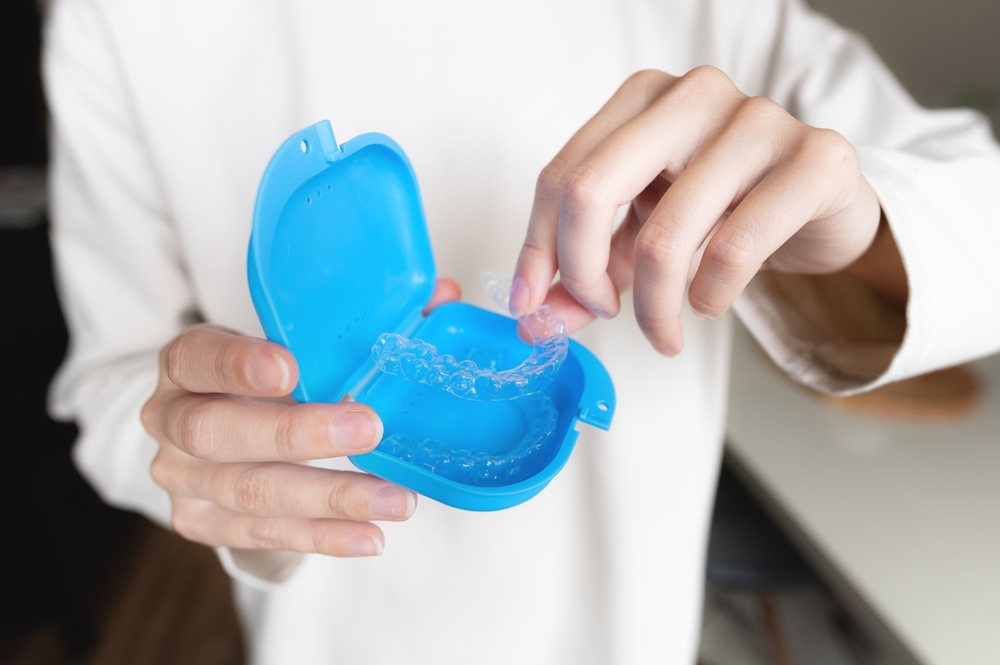
  • What Happens If You Lose an Invisalign Tray?

    What Happens If You Lose an Invisalign Tray?

    You sit down for lunch, take out your aligners, and discreetly wrap them in a napkin. An hour later, you’re driving home when that sinking feeling hits your stomach. You left the napkin on the table. You rush back, but the table has been cleared, and the trash has been taken out.

    It is a nightmare scenario for many orthodontic patients, but it happens more often than you might think. Whether they were left in a napkin, chewed up by a curious puppy, or simply dropped down the drain, losing an Invisalign tray is stressful. However, it doesn’t have to derail your entire treatment plan.

    If you are undergoing treatment at Aesthetic Dentistry here in Wasilla, AK, we have seen this happen before. We know exactly how to get you back on track. Here is a step-by-step guide on managing the situation and keeping your smile journey moving forward.

    Immediate Steps to Take

    The moment you realize your aligners are missing, your first instinct might be to panic. Take a deep breath. While consistency is vital for Invisalign to work, missing a few hours won’t ruin your smile. However, you do need to act quickly to prevent your teeth from shifting back to their original positions.

    1. Look everywhere

    Before assuming they are gone forever, do a thorough sweep. Check your pockets, your bag, your car, and between the couch cushions. If you were at a restaurant, call them immediately—staff are often used to checking for “accidental napkin disposals.”

    2. Contact your orthodontist immediately

    If you cannot find the tray, do not wait for your next appointment. Call Aesthetic Dentistry in Wasilla right away. We need to know which tray number you lost and how many days you had been wearing it. This information helps us decide the best course of action.

    3. Manage the gap

    While you wait for instructions from us, you need to keep your teeth stable.

    • If you just started the lost tray: The best option is usually to go back to your previous tray. This acts as a retainer and stops your teeth from shifting backward.
    • If you were almost done with the lost tray: We might advise you to move on to the next tray in your series early. However, only do this if we give you the go-ahead, as forcing a new tray too soon can be painful and potentially damage the roots of your teeth.

    Finding the right lost Invisalign tray solutions depends entirely on where you are in your specific treatment cycle, so professional guidance is key.

    How This Impacts Your Treatment

    We know patients worry that losing a tray means starting over. Thankfully, that is rarely the case. However, there might be some minor delays.

    If we need to order a replacement aligner, it may take a few days to arrive. During this time, you aren’t actively moving your teeth forward; you are simply maintaining their current position. This might add a week or two to your total treatment time.

    If you are advised to move to the next tray early, you might experience a bit more pressure or discomfort than usual, as your teeth haven’t fully completed the previous stage of movement.

    According to Invisalign® official patient care guidelines, the most critical risk when a tray is lost is “relapse.” Teeth have a memory; they want to move back to where they started. If you go several days without wearing any aligner at all, you might lose weeks of progress. This is why wearing a previous tray is often better than wearing nothing at all.

    Prevention Tips for the Future

    Once the crisis is averted, you will want to make sure it doesn’t happen again. Developing a few simple habits can save you money on replacement fees and keep your treatment on schedule.

    Keep a backup case

    Keep one case in your bathroom and another in your bag or car. Having a safe spot for your aligners wherever you go reduces the temptation to slide them into a pocket or wrap them in paper.

    Pet-proof your routine

    Dogs love the smell of saliva and the texture of plastic. To a dog, an Invisalign tray is an expensive chew toy. Always store your case high up or in a drawer where pets cannot reach it.

    Travel smart

    When traveling, always pack your previous set of aligners and your next set. If you lose your current tray while on vacation, having a backup ensures your teeth stay straight until you return to Wasilla.

    We Are Here to Keep You Smiling

    Accidents happen. What matters is how quickly you respond. If you have misplaced your aligners, don’t feel embarrassed or try to “tough it out” without them. The team at Aesthetic Dentistry is here to support you through every step of your smile transformation, hiccups included.

    Contact us today to learn more about our Invisalign services and how we can help you achieve the smile of your dreams. Our team is dedicated to providing personalized care and guidance throughout your treatment journey, so you can feel confident in your smile every step of the way.