Author: AK Dental

  • What Happens If You Lose an Invisalign Tray?

    What Happens If You Lose an Invisalign Tray?

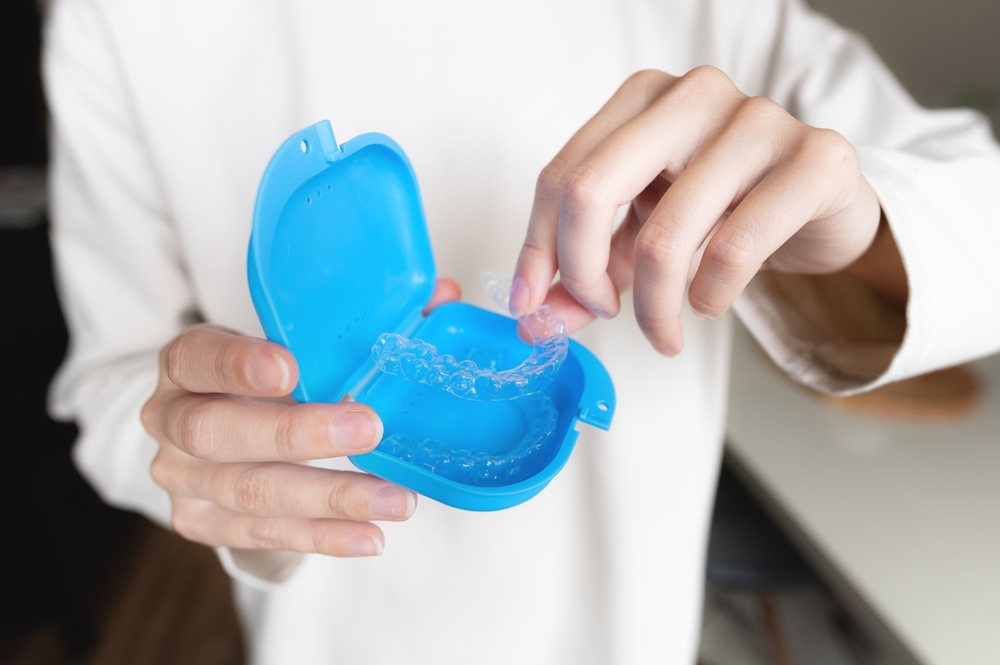
    You sit down for lunch, take out your aligners, and discreetly wrap them in a napkin. An hour later, you’re driving home when that sinking feeling hits your stomach. You left the napkin on the table. You rush back, but the table has been cleared, and the trash has been taken out.

    It is a nightmare scenario for many orthodontic patients, but it happens more often than you might think. Whether they were left in a napkin, chewed up by a curious puppy, or simply dropped down the drain, losing an Invisalign tray is stressful. However, it doesn’t have to derail your entire treatment plan.

    If you are undergoing treatment at Aesthetic Dentistry here in Wasilla, AK, we have seen this happen before. We know exactly how to get you back on track. Here is a step-by-step guide on managing the situation and keeping your smile journey moving forward.

    Immediate Steps to Take

    The moment you realize your aligners are missing, your first instinct might be to panic. Take a deep breath. While consistency is vital for Invisalign to work, missing a few hours won’t ruin your smile. However, you do need to act quickly to prevent your teeth from shifting back to their original positions.

    1. Look everywhere

    Before assuming they are gone forever, do a thorough sweep. Check your pockets, your bag, your car, and between the couch cushions. If you were at a restaurant, call them immediately—staff are often used to checking for “accidental napkin disposals.”

    2. Contact your orthodontist immediately

    If you cannot find the tray, do not wait for your next appointment. Call Aesthetic Dentistry in Wasilla right away. We need to know which tray number you lost and how many days you had been wearing it. This information helps us decide the best course of action.

    3. Manage the gap

    While you wait for instructions from us, you need to keep your teeth stable.

    • If you just started the lost tray: The best option is usually to go back to your previous tray. This acts as a retainer and stops your teeth from shifting backward.
    • If you were almost done with the lost tray: We might advise you to move on to the next tray in your series early. However, only do this if we give you the go-ahead, as forcing a new tray too soon can be painful and potentially damage the roots of your teeth.

    Finding the right lost Invisalign tray solutions depends entirely on where you are in your specific treatment cycle, so professional guidance is key.

    How This Impacts Your Treatment

    We know patients worry that losing a tray means starting over. Thankfully, that is rarely the case. However, there might be some minor delays.

    If we need to order a replacement aligner, it may take a few days to arrive. During this time, you aren’t actively moving your teeth forward; you are simply maintaining their current position. This might add a week or two to your total treatment time.

    If you are advised to move to the next tray early, you might experience a bit more pressure or discomfort than usual, as your teeth haven’t fully completed the previous stage of movement.

    According to Invisalign® official patient care guidelines, the most critical risk when a tray is lost is “relapse.” Teeth have a memory; they want to move back to where they started. If you go several days without wearing any aligner at all, you might lose weeks of progress. This is why wearing a previous tray is often better than wearing nothing at all.

    Prevention Tips for the Future

    Once the crisis is averted, you will want to make sure it doesn’t happen again. Developing a few simple habits can save you money on replacement fees and keep your treatment on schedule.

    Keep a backup case

    Keep one case in your bathroom and another in your bag or car. Having a safe spot for your aligners wherever you go reduces the temptation to slide them into a pocket or wrap them in paper.

    Pet-proof your routine

    Dogs love the smell of saliva and the texture of plastic. To a dog, an Invisalign tray is an expensive chew toy. Always store your case high up or in a drawer where pets cannot reach it.

    Travel smart

    When traveling, always pack your previous set of aligners and your next set. If you lose your current tray while on vacation, having a backup ensures your teeth stay straight until you return to Wasilla.

    We Are Here to Keep You Smiling

    Accidents happen. What matters is how quickly you respond. If you have misplaced your aligners, don’t feel embarrassed or try to “tough it out” without them. The team at Aesthetic Dentistry is here to support you through every step of your smile transformation, hiccups included.

    Contact us today to learn more about our Invisalign services and how we can help you achieve the smile of your dreams. Our team is dedicated to providing personalized care and guidance throughout your treatment journey, so you can feel confident in your smile every step of the way.

  • What Makes Invisalign a Preferred Choice for Teenagers

    What Makes Invisalign a Preferred Choice for Teenagers

    High school is a pivotal time for self-discovery, building social circles, and developing confidence. For many teenagers, appearance plays a massive role in how they navigate these years. Traditionally, achieving a straight smile meant committing to years of metal brackets and wires—a rite of passage that often came with a fair share of self-consciousness.

    However, the landscape of orthodontics has shifted dramatically. At Aesthetic Dentistry in Wasilla, AK, we have noticed a distinct trend: younger patients are increasingly opting for a more modern approach. Invisalign has moved beyond being just an alternative to braces; for many local teens, it is now the preferred method for achieving a perfect smile without putting the brakes on their lifestyle.

    The Aesthetic Advantage

    The most obvious reason teenagers gravitate toward clear aligners is right in the name: they are virtually invisible. Navigating the social hallways of high school can be challenging enough without drawing extra attention to one’s teeth. Metal braces, while effective, are impossible to hide.

    Invisalign aligners are made from a proprietary, clear plastic material that molds perfectly to the teeth. Most people won’t even notice someone is wearing them during a conversation. This invisibility allows teens to fix dental issues—like overcrowding, gaps, or bite misalignments—without feeling the need to hide their smile in photos or cover their mouths when they laugh. For a teenager, maintaining that level of confidence during treatment is invaluable.

    Eat What You Want, When You Want

    One of the biggest complaints about traditional braces is the laundry list of dietary restrictions. Popcorn at the movies, sticky candy, whole apples, and corn on the cob are typically off-limits because they can break brackets or bend wires. For a hungry teenager, these restrictions can feel like a major burden.

    Invisalign eliminates this problem entirely. Because the aligners are removable, patients simply take them out before eating. There are no “banned foods.” Teens can enjoy lunch with friends or a family dinner without worrying about damaging their orthodontics or spending twenty minutes picking food out of their braces afterward. This flexibility is one of the key Invisalign for teens benefits that makes the treatment process feel much less restrictive than traditional methods.

    Uninterrupted Activities: Sports and Music

    For teenagers involved in extracurricular activities, metal braces can sometimes be a hindrance. Athletes who play contact sports often need special mouthguards to protect their lips and cheeks from being cut by brackets during an impact. Similarly, musicians who play wind or brass instruments—like the trumpet, flute, or saxophone—often find that braces interfere with their embouchure, making it difficult to hit high notes or maintain their tone.

    Clear aligners offer a seamless solution. For athletes, the aligners can be removed to wear a standard mouthguard, or worn as is for a layer of protection that doesn’t cut into soft tissue. Musicians can simply remove the trays during practice or performances, ensuring their talent isn’t compromised by their dental treatment.

    Smart Technology Built for Teens

    Parents often worry about compliance. Since Invisalign is removable, there is a fear that the aligners will end up in a backpack or on a lunch tray rather than in the mouth. However, Invisalign has integrated specific features to address this concern directly.

    Invisalign Teen aligners come equipped with “compliance indicators.” These are small blue dots located on the back of the aligners, designed to fade as the aligners are worn. This provides a visual check for parents (and the dentist) to ensure the teen is wearing the aligners for the recommended 20 to 22 hours a day.

    Furthermore, studies from orthodontic associations have shown that teenagers are surprisingly compliant with clear aligner therapy. Because they are motivated by the aesthetic benefits and the desire to finish treatment quickly, they are often more diligent about wearing their aligners than adults are. The technology supports their lifestyle, and in return, they respect the process.

    Fewer Emergencies and Appointments

    Metal braces are prone to mechanical issues. A broken wire poking into the cheek or a bracket popping off requires an emergency trip to the dentist. For busy parents in Wasilla shuttling kids between school and activities, these unexpected appointments are a hassle.

    Invisalign has no wires to poke and no brackets to break. The treatment involves changing to a new set of aligners every week or two, usually done at home. This means fewer emergency visits and generally shorter, more routine check-ups at Aesthetic Dentistry.

    Start Your Journey to a Confident Smile

    Choosing the right orthodontic path is a big decision, but the advantages of clear aligners are hard to ignore. From the ability to eat freely to the boost in self-esteem that comes with a metal-free smile, it is clear why this technology has become a favorite among adolescents.

    If you or your teen is interested in learning more about how this technology works, the team at Aesthetic Dentistry in Wasilla, AK, is here to help guide you through the process. We can assess if you are a candidate and map out a plan that fits your life. Contact us today to schedule an appointment.

  • How Invisalign Aligners Gradually Shift Your Teeth Into Place

    How Invisalign Aligners Gradually Shift Your Teeth Into Place

    Have you ever wondered what happens behind the scenes of a smile transformation? We often see the stunning “before and after” photos, but the actual mechanics of how teeth move can seem like a mystery.

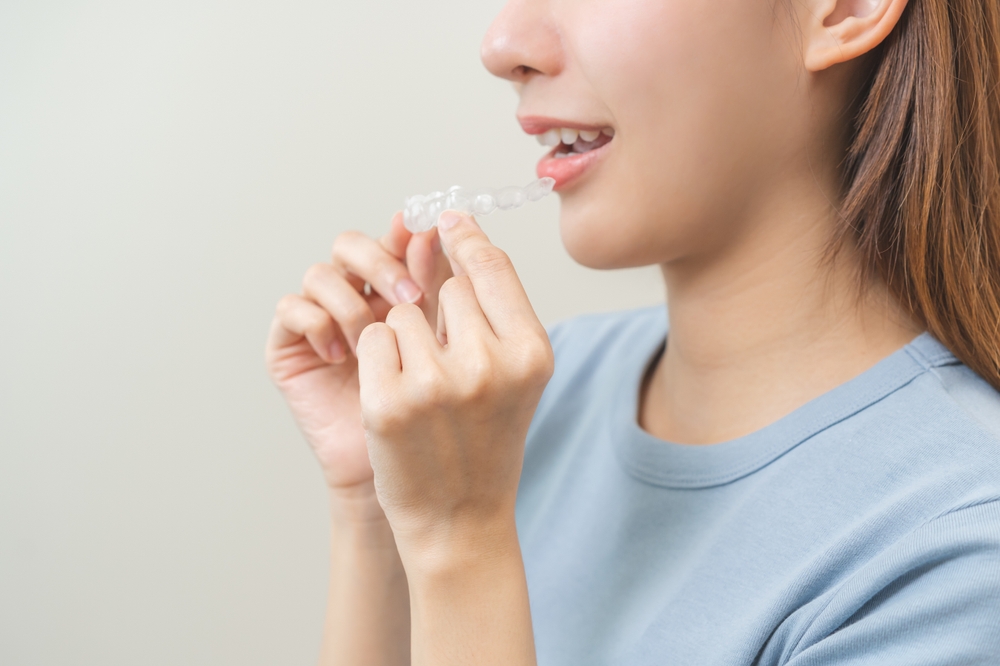
    For patients in Wasilla considering orthodontic treatment, understanding the science behind the smile is often the first step toward confidence. Unlike traditional metal braces that use brackets and wires to pull teeth into position, Invisalign uses a series of clear, custom-made aligners to gently push teeth into their ideal spots.

    If you are curious about how these virtually invisible trays achieve such dramatic results, you are in the right place. Let’s break down the technology, the timeline, and the treatment process that make Invisalign a top choice for modern aesthetic dentistry.

    The Treatment Process: It Starts with a Scan

    The journey to a straighter smile begins long before you snap in your first aligner. The precision of Invisalign relies on advanced 3D imaging technology.

    At Aesthetic Dentistry in Wasilla, we start with digital scans of your mouth. Gone are the days of gooey, uncomfortable physical impressions. These digital scans create a precise 3D model of your teeth, allowing us to map out the entire treatment plan from start to finish.

    This digital roadmap is crucial because it determines exactly how Invisalign works for your specific bite. Software algorithms calculate the precise force needed for every single tooth movement. Once the plan is finalized, a series of custom aligners is fabricated specifically for you. Each set of trays is slightly different from the last, designed to guide your teeth through specific stages of movement.

    Movement Mechanics: The Science of Gentle Pressure

    So, how do thin pieces of plastic actually move bone and teeth? It all comes down to consistent, controlled pressure.

    When you put in a new set of aligners, you might notice they feel slightly tight. This is intentional. The aligners are shaped to fit your teeth as they should be at the end of that specific stage, not exactly as they are right now. This discrepancy creates gentle pressure on specific teeth.

    This pressure triggers a biological process called bone remodeling. The force applied by the aligner compresses the periodontal ligament on one side of the tooth root and stretches it on the other. This signals the body to dissolve bone tissue on the compressed side (resorption) and build new bone tissue on the stretched side (deposition).

    Because this is a biological process, it cannot be rushed. It requires steady, low-level force over time. This is why wearing your aligners for the recommended 20 to 22 hours a day is non-negotiable. If the pressure isn’t consistent, the biological signal stops, and tooth movement stalls.

    The Treatment Timeline: What to Expect

    Patience is key in orthodontics, but many patients find Invisalign efficient and manageable. While every case is unique, understanding the general timeline helps set realistic expectations.

    Phase 1: The Initial Shift (Weeks 1-8)

    During the first few weeks, you are getting used to the feel of the aligners. This is when the periodontal ligaments start to loosen, preparing the teeth for movement. You might not see visible changes in the mirror yet, but the biological groundwork is being laid.

    Phase 2: Visible Progress (Months 3-6)

    This is often the most exciting phase. As you progress through your series of aligners—typically changing them every one to two weeks—you will start to notice gaps closing or crowded teeth beginning to uncross.

    Phase 3: Fine-Tuning (The Final Months)

    Toward the end of your treatment, the major movements are usually complete. The final sets of aligners are often for “refining” the bite, ensuring that the top and bottom teeth fit together perfectly and that the aesthetic alignment is flawless.

    According to orthodontic clinical case reports, the average treatment time for Invisalign falls between 12 and 18 months, though minor corrections can be completed in as little as six months.

    Attachments and Precision Wings

    Sometimes, the aligners need a little extra grip to perform complex movements, such as rotating a cylindrical tooth or pulling a tooth down. In these cases, we use “attachments.”

    Attachments are small, tooth-colored shapes made of composite resin that are bonded to your teeth. They act like tiny handles for the aligners to push against. They are virtually invisible but provide the leverage needed for the plastic to exert force in the correct direction.

    Maintaining Your New Smile

    Once the active movement phase is done and you have achieved your goal, the work isn’t quite over. Teeth have a memory; they naturally want to drift back to their original positions.

    To prevent this relapse, retainers are essential. Just like the aligners, retainers are custom-made to fit your final smile. Wearing them at night ensures that the new bone tissue hardens and secures your teeth in their new, perfect positions for a lifetime.

    Ready to Start Your Journey in Wasilla?

    Understanding how Invisalign works removes the mystery and highlights just how advanced this technology is. It’s a blend of biology and engineering designed to give you the smile you’ve always wanted without the metal wires.

    If you are ready to see how digital scanning and clear aligners can transform your smile, we are here to help. Contact us today to schedule a consultation and see if Invisalign is right for you.

  • What to Expect During a Multi-Stage Dental Implant Procedure

    What to Expect During a Multi-Stage Dental Implant Procedure

    Considering a dental implant? You’re making a wise investment in your long-term oral health. According to the American Academy of Implant Dentistry (AAID), implants are the closest you can get to natural, healthy teeth. They allow you to live confidently, knowing you can eat, smile, and laugh without worry.

    Understanding the dental implant process can make the experience feel much less daunting. At Aesthetic Dentistry in Wasilla, we believe in keeping our patients informed every step of the way. This guide explains the multi-stage dental implant process, from your initial consultation to the final placement of your new tooth.

    What is a Multi-Stage Dental Implant Procedure?

    A dental implant is a small, titanium post that replaces the root of a missing tooth. The multi-stage dental implant process involves several appointments spread out over a few months. This approach ensures that the implant has enough time to properly integrate with your jawbone, creating a stable and durable foundation for your new tooth.

    This method is the most common and widely trusted approach for dental implants due to its high success rate and long-lasting results. It allows for a predictable healing process and ensures the final restoration is strong and secure.

    The Dental Implant Journey: A Stage-by-Stage Breakdown

    Your path to a new smile involves four main stages. Here’s what you can expect during each phase at our Wasilla dental office.

    Stage 1: The Initial Consultation

    Your journey begins with a comprehensive consultation with our dental team. During this visit, we will:

    • Conduct a thorough oral examination.
    • Take X-rays or 3D images to assess your jawbone density and structure.
    • Discuss your medical history and specific needs.
    • Create a personalized treatment plan tailored to you.

    This is the perfect time to ask any questions you have about the procedure, recovery, or costs. Our goal is to ensure you feel comfortable and confident before moving forward.

    Stage 2: Implant Placement

    The next stage is the surgical placement of the titanium implant. During this appointment:

    • The area will be numbed with a local anesthetic to ensure you are comfortable.
    • A small incision is made in your gum to expose the jawbone.
    • The implant is carefully placed into the bone.
    • The gum tissue is then stitched closed over the implant.

    This procedure is typically straightforward and is performed right here in our Wasilla office.

    Stage 3: Healing and Osseointegration

    After the implant is placed, the most critical part of the process begins: healing. This period is known as osseointegration, where the titanium implant fuses with your jawbone. This natural process creates an incredibly strong and stable foundation for your replacement tooth.

    The healing timeline can vary from person to person, but generally takes between three to six months. During this time, it is vital to follow all post-operative instructions to ensure a successful outcome. You may be fitted with a temporary denture or bridge so you don’t have to live with a gap in your smile.

    Stage 4: Abutment and Crown Fitting

    Once osseointegration is complete, you will return for the final stage.

    • A small connector piece, called an abutment, is attached to the top of the implant. This post will hold your new tooth.
    • Your gums will need a few weeks to heal around the abutment.
    • Finally, we will take impressions of your mouth to create your custom crown. This crown is designed to match the color, shape, and size of your natural teeth.
    • At your last appointment, the permanent crown is securely attached to the abutment, completing your new smile.

    Pain Management and Aftercare

    It’s normal to experience some discomfort, swelling, and minor bleeding after the implant placement surgery. However, this is usually manageable with over-the-counter pain relievers and by applying ice packs to the affected area.

    To promote smooth healing, we recommend:

    • Eating soft foods for a few days after the procedure.
    • Avoiding strenuous activities for the first 24-48 hours.
    • Maintaining excellent oral hygiene by gently brushing and flossing around the surgical site as instructed.
    • Attending all your follow-up appointments at our Wasilla clinic.

    Start Your Journey to a New Smile

    The multi-stage dental implant process is a proven and effective way to restore your smile and oral function. While it requires patience, the result is a permanent, natural-looking tooth that can last a lifetime with proper care.

    If you are in Wasilla, AK, and considering dental implants, contact Aesthetic Dentistry today to schedule your consultation. We are here to guide you through every stage of the process and help you achieve the healthy, confident smile you deserve.

  • How to Choose Between Mini Implants and Traditional Dental Implants

    How to Choose Between Mini Implants and Traditional Dental Implants

    If you’re missing one or more teeth, you know how much it can affect your confidence and day-to-day life. Thankfully, dental implants offer a permanent, natural-looking solution to restore your smile. But as you start your research, you’ll likely come across two main options: traditional implants and mini implants.

    Understanding the differences between them is key to making an informed decision. While both can replace missing teeth, they have distinct designs, surgical procedures, and ideal use cases. This guide will walk you through the key factors to consider when discussing your options with your dentist, helping you choose the best path forward for your oral health.

    We’ll compare mini vs traditional dental implants, looking at their size, structure, ideal applications, durability, and cost, so you can feel confident in your choice.

    What’s the Difference in Size and Design?

    The most obvious difference between mini and traditional implants is their size. As the name suggests, mini dental implants are significantly smaller.

    • Traditional Dental Implants: These are the gold standard for tooth replacement. They typically have a diameter of 3.25 to 5 millimeters and are made of two main components: a titanium post (the implant itself) that’s surgically placed into the jawbone, and a separate abutment that connects the implant to the final crown. This two-piece structure provides exceptional stability and strength.
    • Mini Dental Implants: Mini implants are much narrower, usually less than 3 millimeters in diameter. They are designed as a single, solid piece. The top of the implant, which extends above the gumline, has a small ball-shaped end that the replacement tooth or denture snaps onto. This one-piece design simplifies the surgical process.

    The surgical placement also differs. A traditional implant requires a more involved procedure where the gum is opened to expose the jawbone, a hole is drilled, and the implant is screwed into place. After a healing period, a second minor surgery may be needed to place the abutment. In contrast, placing a mini implant is often less invasive. Because of their smaller size, they can sometimes be inserted directly through the gum tissue into the bone with minimal incisions.

    When Are Mini Implants the Better Option?

    While traditional implants are suitable for most patients, there are specific situations where mini implants are a more practical or even necessary choice.

    • Limited Bone Density: A major requirement for traditional implants is sufficient jawbone density to support them. If a patient has experienced significant bone loss—often due to long-term tooth loss or osteoporosis—they might not be a candidate for traditional implants without a bone graft. Mini implants, being smaller, require less bone mass and can often be placed without this additional, lengthy procedure.
    • Replacing Smaller Teeth: For replacing small teeth, like incisors, or fitting into narrow spaces, the slender profile of a mini implant can be a perfect fit where a traditional implant would be too wide.
    • Securing Dentures: One of the most common uses for mini implants is to stabilize a lower denture. A few mini implants can be placed in a single visit, and the denture can be modified to snap securely onto them. This eliminates the slipping and discomfort often associated with loose dentures.

    Longevity vs. Cost: A Balancing Act

    When deciding between mini vs traditional dental implants, it’s important to weigh durability against your budget.

    Longevity and Durability:
    Traditional implants are designed for the long haul. According to the American Academy of Implant Dentistry (AAID), with proper care, they can last a lifetime. Their larger size and two-piece design allow them to withstand the heavy forces of biting and chewing more effectively. They are the most durable and reliable long-term solution for single-tooth replacement.

    Mini implants, while effective, are generally not considered permanent. Because of their smaller diameter, they are more susceptible to breaking under pressure. They are often viewed as a temporary or transitional solution, although in some cases, such as securing dentures, they can provide many years of service.

    Cost Considerations:
    The cost of dental implants can be a significant factor. Mini implants are typically more affordable upfront. The procedure is less invasive, often quicker, and may not require a bone graft, all of which contribute to a lower overall cost.

    Traditional implants represent a larger initial investment. The procedure is more complex, may involve more visits, and requires more expensive materials. However, their longevity means they often provide better long-term value. Investing in a solution that can last a lifetime may save you from needing replacements or further procedures down the road.

    Making the Right Choice for Your Smile

    Choosing between mini and traditional implants is a decision that depends on your unique oral health, goals, and budget. While mini implants offer a quicker, less invasive, and more affordable option for specific situations, traditional implants remain the superior choice for long-term durability and strength.The best way to determine which implant is right for you is to schedule a consultation. Here at Aesthetic Dentistry of Wasilla, we can assess your jawbone health, discuss your needs, and develop a personalized treatment plan to restore your smile and confidence.

  • What Happens During the Dental Crown Procedure?

    What Happens During the Dental Crown Procedure?

    If your dentist has recommended a dental crown, you might be wondering what to expect. A dental crown is a custom-made “cap” that covers a damaged or decayed tooth, restoring its shape, size, strength, and appearance. Understanding the process can help ease any anxiety and prepare you for a smoother experience.

    At Aesthetic Dentistry in Wasilla, AK, we want our patients to feel informed and comfortable every step of the way. This guide breaks down the dental crown procedure, from the initial consultation to the final placement, so you know exactly what happens during your appointments.

    The First Appointment: Preparation and Impressions

    The journey to your permanent crown typically involves two visits to the dentist. The first appointment is focused on preparing the tooth and creating a model for your permanent crown.

    Preparing the Tooth

    First, your dentist will examine the tooth to ensure it can support a crown. They may take X-rays to check the roots of the tooth and the surrounding bone. If there is extensive decay or a risk of infection, a root canal treatment might be necessary before the crown procedure can begin.

    Next, the tooth needs to be shaped to make room for the crown. Your dentist will administer a local anesthetic to numb the tooth and the gum tissue around it. Then, they will carefully file down the chewing surface and sides of the tooth. The amount of tooth that is removed depends on the type of crown you are receiving. For example, all-metal crowns are thinner and require less tooth structure to be removed compared to porcelain or porcelain-fused-to-metal crowns.

    Taking Impressions

    Once the tooth is shaped, your dentist will take an impression. This can be done using a putty-like material that you bite into or with a digital scanner that creates a 3D model. Impressions of the teeth above and below the prepared tooth will also be taken to ensure your new crown will not affect your bite.

    These impressions are sent to a dental laboratory where your permanent crown will be custom-made. This process usually takes two to three weeks.

    The Temporary Crown

    Before you leave the first appointment, your dentist will place a temporary crown over the prepared tooth. This temporary cap is usually made from an acrylic-based material and is cemented in place with temporary cement.

    The temporary crown serves several important functions:

    • It protects the exposed tooth from damage and sensitivity.
    • It prevents your other teeth from shifting into the empty space.
    • It allows you to eat and speak normally while you wait for your permanent crown.

    You will need to be a little gentle with your temporary crown. Avoid chewing hard or sticky foods (like gum or caramel) that could pull it off. When flossing, be sure to slide the floss out from the side rather than pulling it up, which could dislodge the temporary cap.

    The Second Appointment: Placing the Permanent Crown

    After a couple of weeks, you will return for your second and final appointment. This is when your custom-made permanent crown will be fitted.

    Fitting and Cementing

    First, your dentist will remove the temporary crown and clean the underlying tooth. They will then place the permanent crown over your tooth to check the fit and color. Your dentist will make sure the crown matches your surrounding teeth and that your bite feels comfortable. They may need to make minor adjustments to ensure a perfect fit.

    Once you and your dentist are happy with how the crown looks and feels, it will be permanently cemented into place. Your dentist will use a special dental adhesive to secure the crown, ensuring it is strong and durable.

    After the procedure, it’s normal to experience some sensitivity to hot and cold, but this should fade over time. With proper care, including regular brushing, flossing, and dental check-ups, your new crown can last for many years.

    Your Smile, Restored

    The dental crown procedure is a reliable and effective way to repair a damaged tooth and restore your smile. By understanding the dental crown procedure steps, from preparation to final placement, you can feel confident and prepared for your treatment.

    If you have more questions about the dental crown procedure or think you might need one, our team at Aesthetic Dentistry in Wasilla, AK, is here to help. Schedule a consultation with us today to discuss your options and take the first step toward a healthier, more beautiful smile.

  • How to Choose Between Porcelain, Zirconia, and Metal Crowns

    How to Choose Between Porcelain, Zirconia, and Metal Crowns

    When you need a dental crown, choosing the right material can feel overwhelming. Porcelain, zirconia, and metal crowns each offer distinct advantages, but which one is best for your specific situation? Understanding the differences between these materials will help you make an informed decision that balances aesthetics, durability, and cost.

    Our dentist will consider several factors when recommending a crown material, including the location of the tooth, your bite pattern, aesthetic preferences, and budget. Let’s explore what makes each option unique so you can have a productive conversation with your dental team about the best choice for your smile.

    Understanding Your Crown Material Options

    Porcelain Crowns: Natural Beauty with Limitations

    Porcelain crowns excel at mimicking the natural translucency and color variations of real teeth. This makes them particularly popular for front teeth, where aesthetics matter most. The material can be precisely shade-matched to your existing teeth, creating seamless integration with your smile.

    However, porcelain has some drawbacks. It’s more prone to chipping or cracking under excessive force, which makes it less ideal for back teeth that endure heavy chewing pressure. Porcelain crowns typically cost more than metal alternatives but less than zirconia options.

    According to research published in the Journal of Prosthetic Dentistry, porcelain crowns show excellent biocompatibility and aesthetic results, though they may require replacement sooner than metal alternatives due to wear patterns.

    Zirconia Crowns: The Best of Both Worlds

    Zirconia represents the newest advancement in dental crown technology. This ceramic material offers exceptional strength—nearly matching metal durability—while maintaining excellent aesthetic properties. Zirconia crowns resist staining better than natural teeth and can be color-matched with remarkable precision.

    The strength of zirconia makes it suitable for both front and back teeth. It’s also biocompatible, meaning it rarely causes allergic reactions or gum irritation. The main disadvantage is cost, as zirconia crowns typically represent the most expensive option among the three materials.

    Metal Crowns: Proven Durability

    Gold and other metal alloy crowns have been used successfully for decades. They offer unmatched durability and longevity, often lasting 20+ years with proper care. Metal crowns also preserve more of your natural tooth structure since they can be made thinner than ceramic alternatives.

    The obvious downside is aesthetics—metal crowns are highly visible and don’t match natural tooth color. This makes them unsuitable for front teeth in most cases. However, for back molars where function matters more than appearance, metal crowns remain an excellent choice.

    Matching Natural Tooth Color for Aesthetic Success

    The ability to match your natural tooth color varies significantly between materials. Porcelain offers the most natural translucency, allowing light to pass through similarly to real enamel. This creates depth and vitality that’s difficult to achieve with other materials.

    Zirconia has improved dramatically in recent years. Modern zirconia crowns can closely replicate natural tooth appearance, though they may appear slightly more opaque than porcelain. The color stability of zirconia is superior—it won’t yellow or stain over time like natural teeth might.

    Metal crowns obviously can’t match natural tooth color, but they can be designed with porcelain-fused surfaces for visible areas. However, this combination approach can sometimes result in a dark line at the gum margin as gums recede over time.

    Weighing Durability Against Cost

    Durability and cost often work in an inverse relationship with dental crowns. Metal crowns cost the least upfront and last the longest, making them the most economical choice over time. A gold crown might last 20-30 years, while porcelain crowns typically need replacement after 10-15 years.

    Zirconia falls in the middle for longevity—stronger than porcelain but not quite matching metal durability. However, the higher upfront cost of zirconia may be justified by its combination of strength and aesthetics, particularly for visible teeth.

    Consider your long-term dental health goals and financial situation. While metal crowns offer the best value proposition for back teeth, the aesthetic limitations make them impractical for front teeth. Porcelain provides beautiful results for front teeth but may require more frequent replacement.

    Making the Right Choice for Your Situation

    The best crown material depends on several personal factors. For front teeth where aesthetics are paramount, porcelain or zirconia typically provides the best results. Back teeth that endure heavy chewing forces may benefit from the durability of metal or zirconia crowns.

    Your bite pattern matters too. If you grind your teeth at night, the added strength of zirconia or metal becomes more important. Budget considerations also play a role—while the cheapest option isn’t always the best value, you should choose a material you can afford to maintain properly.

    Your Next Steps Toward a Restored Smile

    Choosing the right crown material requires balancing multiple factors specific to your situation. Schedule a consultation with our dentist to discuss your options based on the tooth location, your aesthetic preferences, budget, and long-term oral health goals.

    Remember that a crown represents a significant investment in your dental health. Take time to understand the pros and cons of each material before making your decision. With the right choice, your crown can provide years of confident smiles and comfortable function.

  • How Dental Crowns Help Prevent Tooth Loss After a Root Canal

    How Dental Crowns Help Prevent Tooth Loss After a Root Canal

    If your dentist has recommended a root canal, you might already know it’s a crucial procedure for saving a damaged or infected tooth. But what happens after the root canal? Often, the next step is getting a dental crown. This isn’t just an add-on; it’s a vital part of ensuring your tooth remains healthy and strong for years to come.

    Understanding why a crown is so important can help you feel more confident about your treatment plan. This post will explain the benefits of placing a crown after a root canal, showing how this final step protects your tooth, restores its function, and ultimately helps prevent tooth loss. At Aesthetic Dentistry in Wasilla, we want you to be fully informed about the care you receive.

    Why Does a Tooth Need a Crown After a Root Canal?

    A root canal procedure involves removing the infected or inflamed pulp from inside your tooth. This pulp contains nerves and blood vessels, and while removing it saves the tooth from extraction, it also leaves the tooth more brittle and susceptible to damage.

    Think of the tooth’s structure after a root canal. The procedure requires drilling an opening to access the inner pulp, which weakens the tooth. Furthermore, the absence of the pulp, which once provided hydration, makes the tooth’s enamel more fragile. Without protection, this weakened tooth is at a high risk of fracturing. This is where a dental crown comes in.

    The Key Benefits of a Crown After a Root Canal

    Placing a dental crown over a tooth that has undergone a root canal is standard practice for several important reasons. Let’s look at the main benefits.

    1. It Strengthens and Protects the Tooth

    One of the most significant benefits of crowns after a root canal is tooth strengthening. The tooth is significantly weaker after a root canal and can easily fracture from the pressure of normal chewing. A study published in the Journal of Endodontics found that teeth without crowns after a root canal were much more likely to be extracted later due to fracture.

    A dental crown acts like a helmet for your tooth. It covers the entire visible portion of the tooth down to the gum line, holding it together and distributing biting forces evenly. This protection is essential for preventing cracks or fractures that could lead to the need for extraction.

    2. It Provides a Protective Seal

    After a root canal, the tooth is sealed with a filling to prevent bacteria from re-entering the cleaned-out canals. However, this filling material can wear down or leak over time. If bacteria get back into the tooth, a new infection can develop, potentially causing the root canal to fail.

    A crown provides a durable, long-lasting seal over the top of the tooth. According to the American Dental Association (ADA), a well-fitted crown is one of the best ways to protect against re-infection. It creates a strong barrier that keeps harmful bacteria out, safeguarding the success of your root canal treatment.

    3. It Restores Full Chewing Function

    A weakened tooth can make chewing uncomfortable or even painful. You might find yourself avoiding one side of your mouth to prevent putting pressure on the treated tooth. This can affect your bite and put extra strain on your other teeth.

    A crown restores the tooth to its original shape, size, and strength. Once the crown is in place, you can chew and bite down with confidence, just as you would with a healthy, natural tooth. This restored function allows you to enjoy your favorite foods without worry and maintains a balanced bite, which is important for your overall oral health.

    4. It Ensures a Natural Appearance

    A tooth that has had a root canal can sometimes become discolored over time, appearing grayish or darker than the surrounding teeth. This can be a cosmetic concern, especially if the tooth is visible when you smile.

    Modern dental crowns are custom-made to match the color, shape, and size of your natural teeth. At Aesthetic Dentistry, we use high-quality materials like porcelain to create crowns that blend seamlessly with your smile. The crown covers any discoloration, restoring the tooth’s natural and healthy appearance.

    Protect Your Investment with a Dental Crown

    A root canal is an investment in saving your natural tooth. Completing the treatment with a dental crown is the best way to protect that investment. The benefits of getting a crown—strengthening the tooth, sealing it from infection, and restoring its function and appearance—are essential for its long-term survival.

    If you’ve recently had a root canal or have questions about the process, our team at Aesthetic Dentistry in Wasilla, AK, is here to help. We can assess your tooth and determine the best course of action to ensure it stays healthy and strong for years to come.

    Schedule a consultation with us today to learn more about how a dental crown can complete your treatment and protect your smile.

  • What Happens If You Delay Getting a Dental Implant After Tooth Loss

    What Happens If You Delay Getting a Dental Implant After Tooth Loss

    Losing a tooth can be a stressful experience, affecting everything from your smile to your ability to chew comfortably. While it might be tempting to put off treatment, especially if the missing tooth isn’t visible, delaying a dental implant can lead to more significant problems down the line. Understanding the risks of waiting is the first step toward protecting your long-term oral health.

    This guide explains what happens to your mouth after tooth loss and why timely intervention with a dental implant is often the best course of action. We will look at the risks of delaying a dental implant, including bone loss and shifting teeth, and explain why acting sooner rather than later can save you from more complex and costly procedures in the future.

    Your Jawbone Needs Stimulation

    One of the most significant consequences of delaying a dental implant is bone loss, also known as bone resorption. Your jawbone maintains its density and form because it is constantly stimulated by the roots of your teeth. Every time you chew, tiny stresses are transmitted through the teeth to the bone, signaling it to stay strong.

    When a tooth is lost, that stimulation disappears. The section of the jawbone that once supported the tooth no longer receives the signals it needs to maintain itself. As a result, the body begins to reabsorb the bone material, leading to a gradual decrease in both height and width. Studies in oral surgery show that a significant amount of bone loss can occur within the first year after a tooth is extracted. This deterioration not only weakens the jaw but can also alter the appearance of your face, sometimes leading to a sunken look.

    Your Teeth Will Shift Positions

    Your teeth work together as a team to maintain their proper alignment. When a gap is left by a missing tooth, the neighboring teeth naturally start to drift into the empty space. This movement can cause a cascade of problems throughout your mouth.

    As teeth shift, your bite (occlusion) can become misaligned. This can lead to several issues:

    • Chewing Difficulties: A misaligned bite can make it harder to chew food properly.
    • Uneven Wear: Some teeth may bear more pressure than others, leading to premature wear and tear.
    • TMJ Disorders: An improper bite can strain the temporomandibular joint (TMJ), causing jaw pain, headaches, and clicking sounds.

    The tooth opposite the gap can also “super-erupt,” meaning it grows out of its socket because it has no opposing tooth to bite against. This further complicates bite issues and can expose the sensitive root of the erupting tooth.

    Future Procedures Become More Complicated

    Waiting to get a dental implant often means that more extensive and invasive treatments are needed later on. If significant bone loss has occurred, there may not be enough bone to securely place an implant. In this case, a bone graft is required to rebuild the jaw. This procedure involves taking bone from another part of your body or using a synthetic material to restore the implant site. A bone graft adds time, complexity, and cost to your treatment plan.

    Similarly, if your teeth have shifted, you might need orthodontic treatment, such as braces, to move them back into their correct positions before an implant can be placed. What could have been a straightforward procedure becomes a multi-step process involving different specialists. Prosthodontic studies emphasize that addressing tooth loss promptly leads to more predictable and successful outcomes with fewer complications.

    Ready to Restore Your Smile?

    Delaying a dental implant after tooth loss can set off a chain reaction of oral health problems. From bone deterioration and shifting teeth to the need for more complex procedures, the risks associated with waiting are substantial. Acting in a timely manner not only preserves your oral structure but also ensures that your treatment is as simple and effective as possible.

    If you have a missing tooth, don’t wait for these issues to arise. At Aesthetic Dentistry in Wasilla, AK, we can help you understand your options and create a plan to restore your smile and protect your health. Schedule a consultation with our team today to learn if a dental implant is the right solution for you.

  • How Cosmetic Dentistry Supports Better Oral Hygiene Habits

    How Cosmetic Dentistry Supports Better Oral Hygiene Habits

    Many people assume cosmetic dentistry is purely about achieving a picture-perfect smile. While aesthetics certainly play a role, the connection between cosmetic dentistry and oral health runs much deeper than surface-level improvements. When patients invest in cosmetic dental procedures, they often discover unexpected benefits that extend far beyond appearance—including dramatically improved oral hygiene habits and long-term dental health.

    Understanding this relationship can help you make more informed decisions about your dental care while recognizing that a beautiful smile and healthy teeth often go hand in hand.

    The Motivation Factor: Investment Drives Better Care

    One of the most significant ways cosmetic dentistry supports better oral hygiene habits is through increased patient motivation. When you’ve invested time, money, and effort into improving your smile, you naturally become more committed to maintaining those results.

    This psychological shift is powerful. Patients who undergo cosmetic dental procedures—whether it’s teeth whitening, veneers, or smile makeovers—report feeling more conscious of their oral care routine. They brush more thoroughly, floss regularly, and schedule dental appointments more consistently than before their treatment.

    The motivation factor works because cosmetic dentistry creates a tangible investment in your oral health. When you can see and feel the difference in your smile, maintaining those improvements becomes a priority rather than a chore. This increased attention to daily oral care habits leads to better overall dental health outcomes over time.

    Structural Benefits: Restorations That Protect and Strengthen

    Modern cosmetic dentistry offers more than just aesthetic improvements—many procedures provide structural benefits that directly support better oral health. Cosmetic restorations often serve dual purposes, enhancing appearance while protecting and strengthening your natural teeth.

    Porcelain veneers, for example, provide a protective barrier for teeth that may have minor chips, cracks, or worn enamel. This protection helps prevent further damage and reduces the risk of decay in vulnerable areas. Similarly, cosmetic bonding can seal small gaps where bacteria might otherwise accumulate, creating a smoother surface that’s easier to keep clean.

    Dental crowns used in cosmetic procedures don’t just improve the appearance of damaged teeth—they restore proper function and protect the remaining tooth structure from further deterioration. These restorations create a more uniform surface that’s easier to clean effectively, reducing the likelihood of plaque buildup around irregular edges or damaged areas.

    Improved Cleaning Access: The Hidden Advantage of Straight Teeth

    Perhaps one of the most overlooked benefits of cosmetic dentistry is how certain procedures can dramatically improve your ability to maintain good oral hygiene. Orthodontic treatments and other alignment procedures don’t just create a more attractive smile—they make your teeth significantly easier to clean.

    Straightened teeth eliminate the hard-to-reach spaces and overlapping areas where plaque and bacteria love to hide. When your teeth are properly aligned, your toothbrush bristles and dental floss can access all surfaces more effectively. This improved cleaning access means you’re more likely to remove harmful bacteria before they cause problems like cavities or gum disease.

    Even minor adjustments to tooth positioning can make a substantial difference in your daily oral care routine. Patients often report that brushing and flossing become easier and more effective after cosmetic procedures that improve tooth alignment, leading to better overall oral health outcomes.

    The Long-Term Connection Between Aesthetics and Health

    The relationship between cosmetic dentistry and oral health creates a positive cycle of improvement. As patients see the aesthetic results of their treatment, they become more motivated to maintain their oral hygiene habits. This improved care leads to better oral health, which in turn helps preserve cosmetic improvements for years to come.

    Regular dental cleanings, consistent home care, and preventive treatments become priorities when patients have invested in their smile’s appearance. This shift in mindset often extends to other aspects of oral health, including being more proactive about addressing small issues before they become major problems.

    Making the Most of Your Cosmetic Investment

    To maximize both the aesthetic and health benefits of cosmetic dentistry, consider these strategies:

    Work with your dentist to develop a comprehensive treatment plan that addresses both cosmetic concerns and underlying oral health issues. Ask about procedures that offer dual benefits—improving appearance while supporting better oral hygiene.

    Establish a consistent home care routine that protects your investment. Your dental team can recommend specific products and techniques that work best with your particular cosmetic treatments.

    Your Path to a Healthier, More Beautiful Smile

    Cosmetic dentistry and oral health are interconnected in ways that extend far beyond appearances. From increased motivation to structural benefits and improved cleaning access, cosmetic procedures can be a catalyst for better lifelong oral hygiene habits.If you’re considering cosmetic dental treatment in Wasilla, AK, Aesthetic Dentistry can help you explore options that enhance both your smile’s beauty and your oral health. Schedule a consultation to discuss how cosmetic dentistry might support your long-term dental wellness goals.